
-
Geotube
-
Geogrid
-
Nonwoven Geotextile
-
Woven Geotexitle
-
Nonwoven Geo Bag
-
Geosynthetics Clay Liner
-
Anti Grass Cloth
-
Plastic Grass Grid
-
Drainage Board
-
Adjustable Pedestal
-
Composite Geomembrane
-
Water storage module
-
EPDM geomembrane
-
Tarpaulin
-
Drainage Cell
-
Road Crack Sealing Tape
-
Geographic Grid
-
Geomembrane welding machine
-
Three Dimensional Geomat
-
Composite Geonet
-
Asphalt cold patch
-
HDPE Geocell
-
Geomembrane
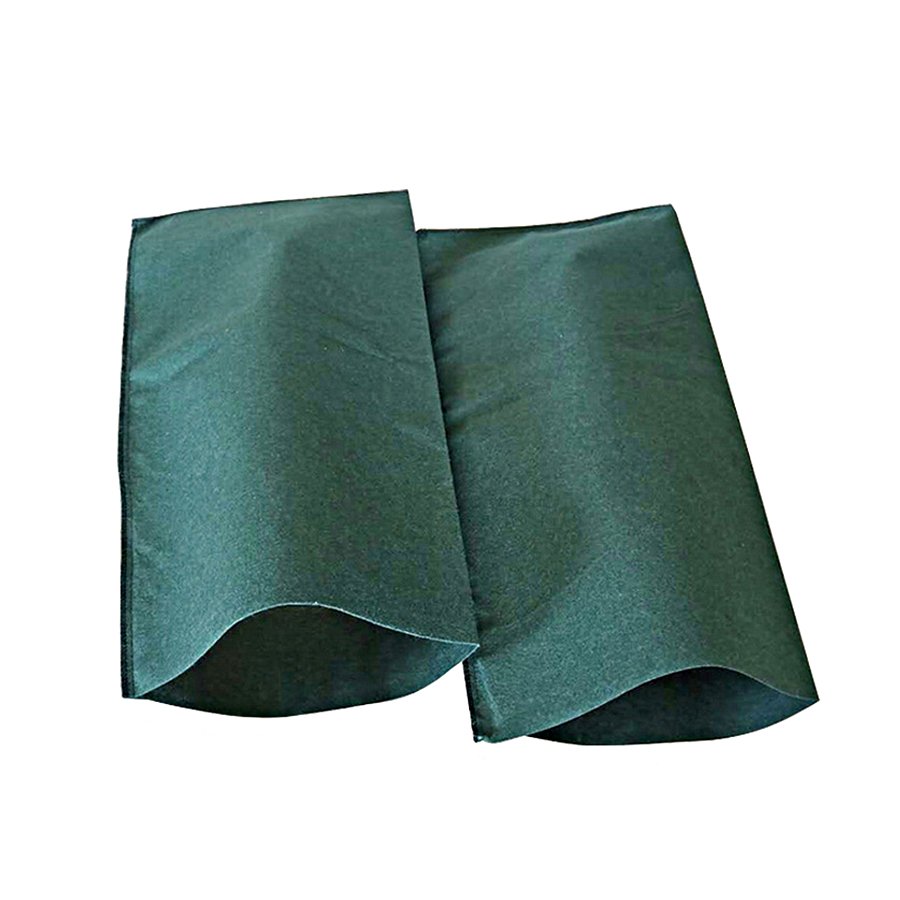
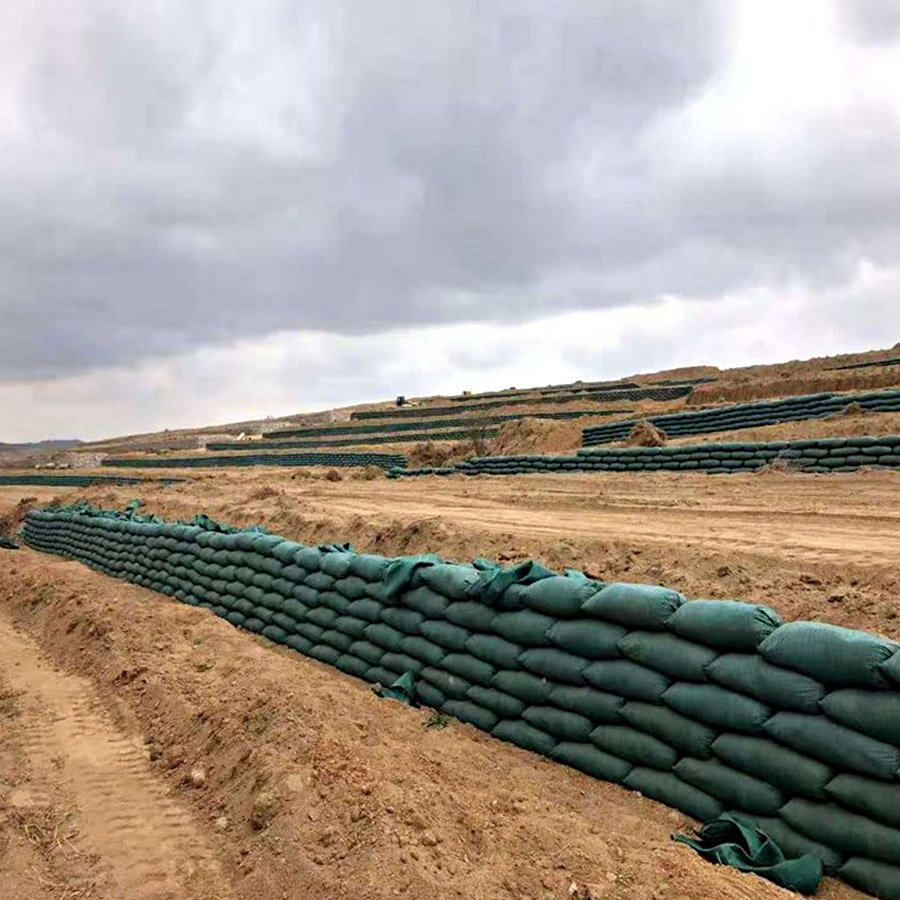
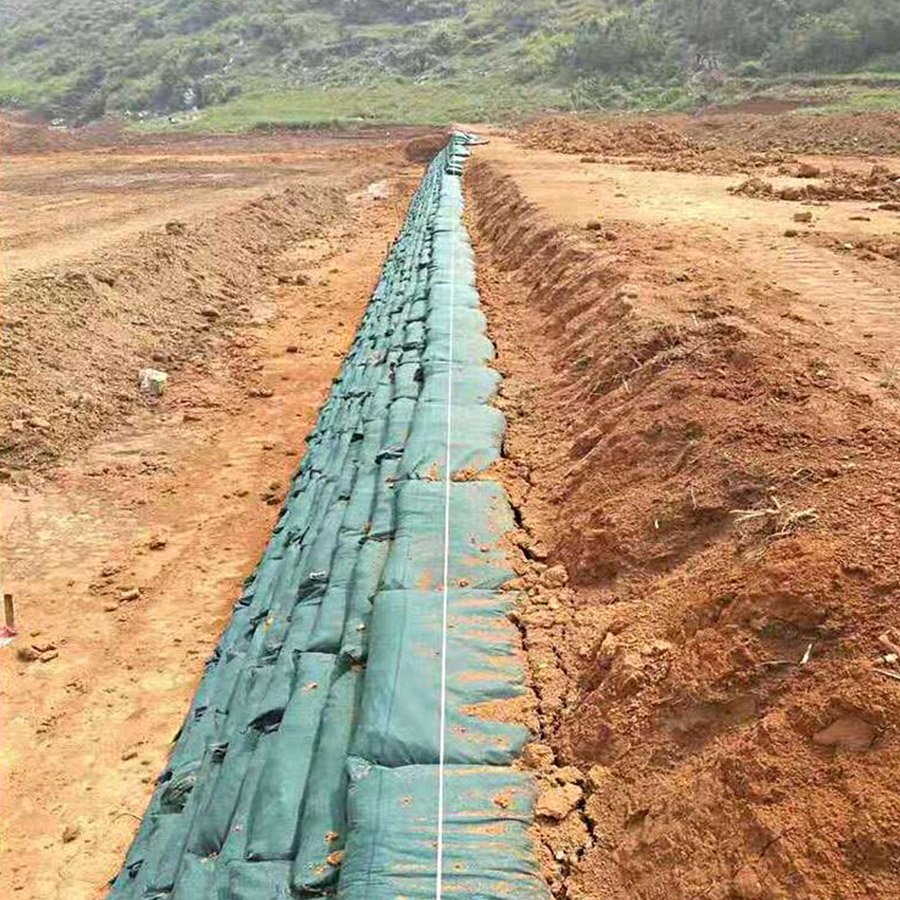
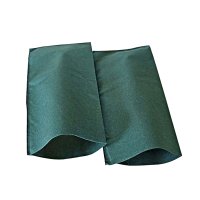
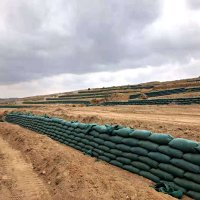
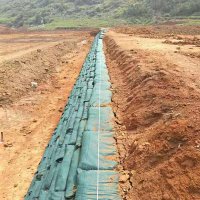
Non-woven eco-bags are a kind of bag-shaped material made of polypropylene (PP) or polyester (PET) non-woven fabrics, filled with soil, fertilizer and seeds, and used in the fields of ecological restoration, slope protection, greening projects, etc. It has the advantages of water permeability, air permeability, anti-aging, and convenient construction, and is an ideal choice for achieving ecological protection and engineering protection.


product | capacity | thickness | tensile strength | elongation at break |
geobag | 50-60kg soil material | 80-120 silk | ≥4.5kn/m | ≥10 % |
≥4.0kn/m | ≥15% | |||
Color | Green,black,white,etc. | |||
size | 40*80cm,45*80cm customized. | |||
weight | 100-800g/m2 | |||
materials | polypropylene/polyester | |||
Features:
Water-permeable and breathable: non-woven fabric material has good water-permeable and breathable properties, which is conducive to the growth of plant roots and water penetration.
Anti-aging: After special treatment, it has good anti-ultraviolet and anti-oxidation properties and a long service life.
Convenient construction: light weight, easy to carry and lay, high construction efficiency.
Ecological and environmental protection: degradable, no pollution to the environment, and conducive to ecological restoration.
Good greening effect: filled with soil, fertilizer and seeds inside, it can quickly form vegetation coverage and has a good greening effect.
Low cost: Compared with traditional engineering protection materials, it has lower cost and significant economic benefits.
Application Fields:
Ecological restoration: used for ecological restoration projects such as mine restoration, desertification control, and soil erosion control.
Slope protection: used for the protection and greening of slopes such as roads, railways, and rivers.
Greening projects: used for greening projects such as roof greening, vertical greening, and garden landscapes.
Other fields: used for landfill coverage, temporary fencing, and other fields.


Customized Service:
Specification customization: Non-woven eco-bags of different sizes, thicknesses, weights, etc. can be customized according to customer needs.
Filling customization: Different fillings such as soil, fertilizers, seeds, etc. can be customized according to customer needs.
Color customization: Non-woven eco-bags of different colors can be customized according to customer needs.
Packaging customization: Different packaging methods can be customized according to customer needs, such as bag packaging, pallet packaging, etc.
Certificates:
Product quality certification: Passed ISO9001 quality management system certification, CE certification, etc.
Product test report: Provide product test reports issued by authoritative organizations.


FAQ:
Q: How long is the service life of non-woven eco-bags?
A: The service life of non-woven eco-bags can reach more than 5 years, and the specific service life depends on the use environment and construction quality.
Q: What are the construction methods of non-woven eco-bags?
A: The construction methods of non-woven eco-bags mainly include laying, connecting, fixing and other steps. For specific construction methods, please refer to relevant specifications or consult professionals.
Q: What is the price of non-woven eco-bags?
A: The price of non-woven eco-bags is affected by factors such as specifications, quantity, and transportation distance. Please consult relevant manufacturers for specific prices.
 Nonwoven Geo Bag
Non-woven eco-bags are a kind of bag-shaped material made of polypropylene (PP) or polyester (PET) non-woven fabrics, filled with soil, fertilizer and seeds, and used in the fields of ecological restoration, slope protection, greening projects, etc. It has the advantages of water permeability, air permeability, anti-aging, and convenient construction, and is an ideal choice for achieving ecological protection and engineering protection.