
-
Geotube
-
Geogrid
-
Nonwoven Geotextile
-
Woven Geotexitle
-
Nonwoven Geo Bag
-
Geosynthetics Clay Liner
-
Anti Grass Cloth
-
Plastic Grass Grid
-
Drainage Board
-
Adjustable Pedestal
-
Composite Geomembrane
-
Water storage module
-
EPDM geomembrane
-
Tarpaulin
-
Drainage Cell
-
Road Crack Sealing Tape
-
Geographic Grid
-
Geomembrane welding machine
-
Three Dimensional Geomat
-
Composite Geonet
-
Asphalt cold patch
-
HDPE Geocell
-
Geomembrane
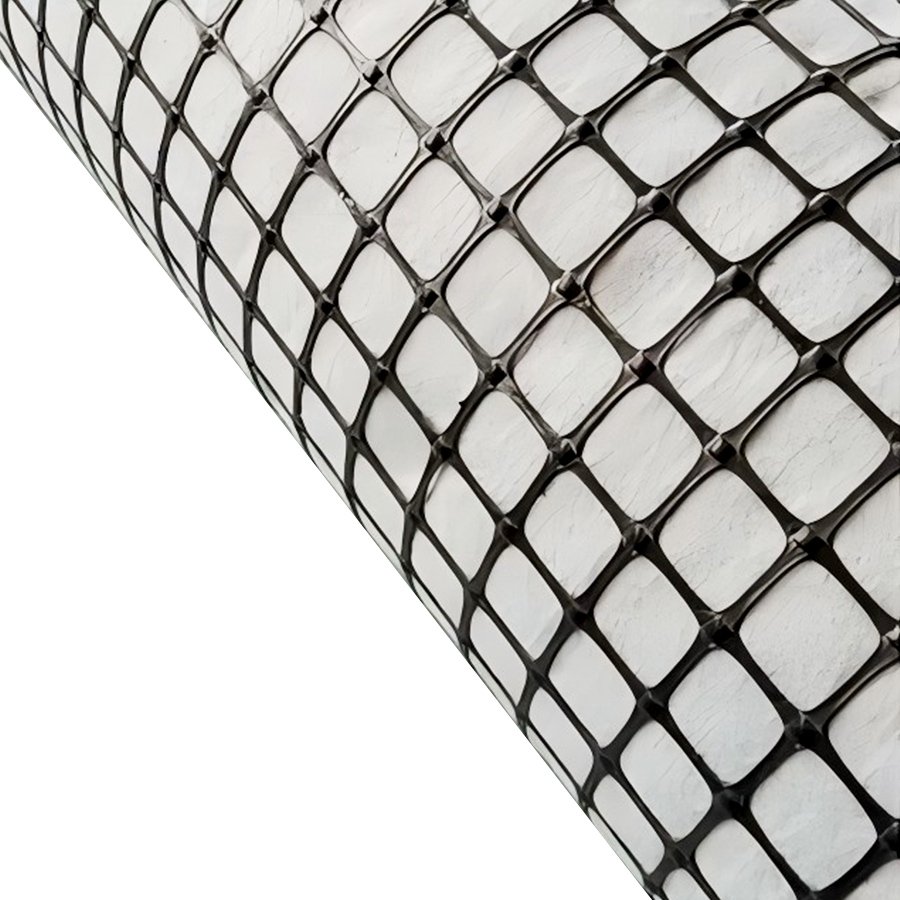
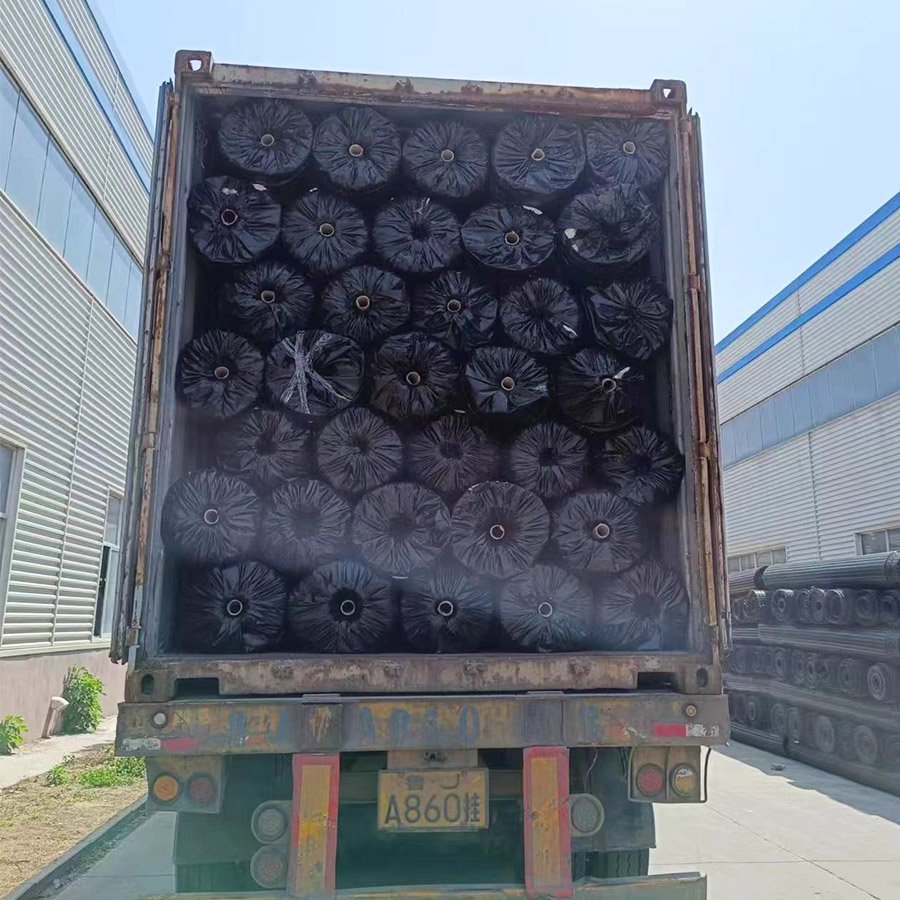
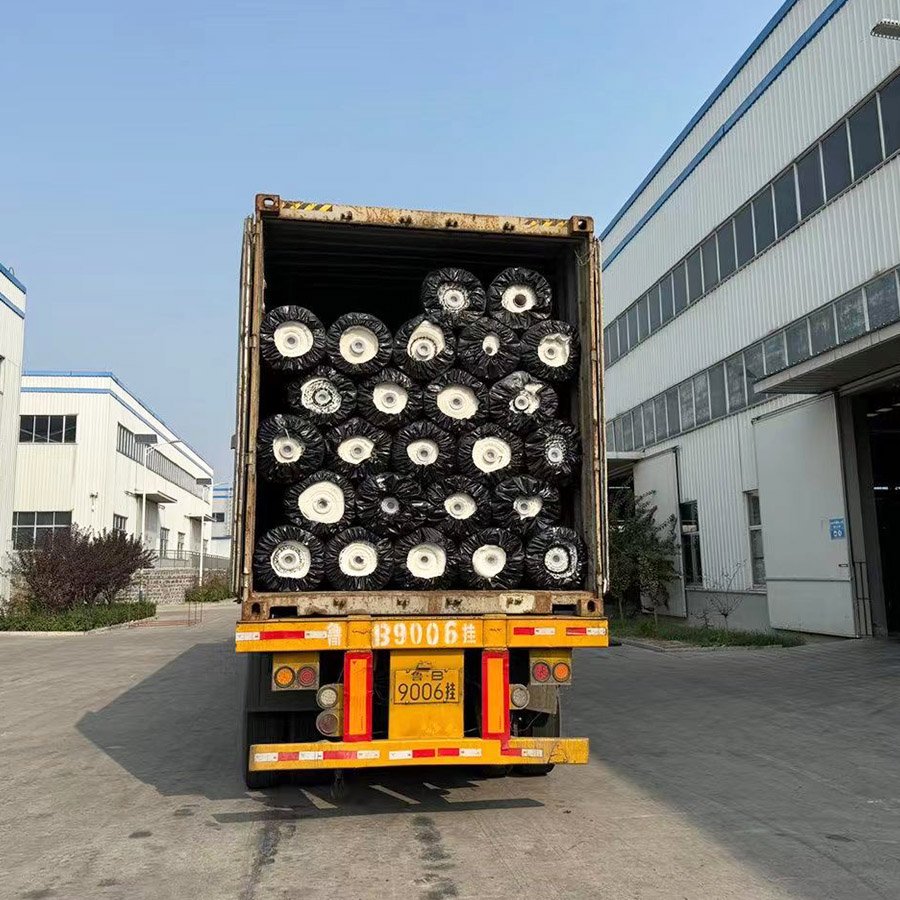
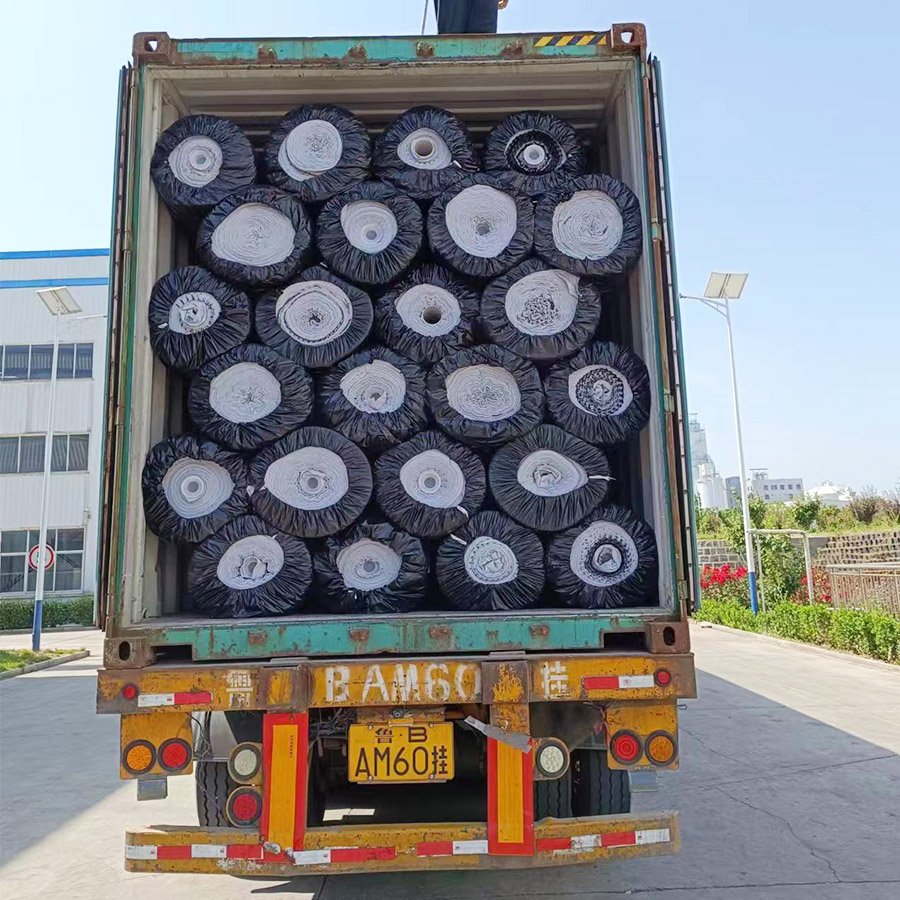
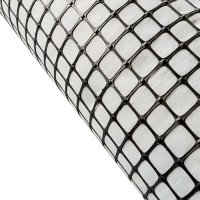
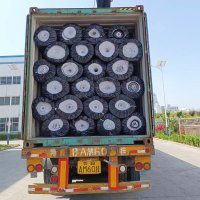
Composite geogrid is a new type of high-strength geosynthetics, usually composed of glass fiber, polyester fiber or plastic geogrid and non-woven fabrics, geotextiles, etc. This product combines the high tensile strength of geogrid with the isolation, filtration, drainage and other functions of geotextiles, and is widely used in engineering fields such as soft foundation reinforcement, roadbed reinforcement, slope protection, etc.


| Geogrid Properties | Test Method | Unit | MD | TD |
| Polymer | PP | |||
| Minimum Carbon Black | ASTMD4218 | % | 2 | |
| Tensile Strength | ASTM D6637 | kN/m | 30 | 30 |
| Tensile Strength@2%Strain | ASTM D6637 | kN/m | 10.5 | 10.5 |
| Tensile Strength@5%Strain | ASTM D6637 | kN/m | 21 | 21 |
| Elongation | ASTMD6637 | % | 13 | 13 |
| Geotextile properties | ||||
| Polymer | PET | |||
| Mass per unit area | ASTMD5261 | g/m2 | 200 | |
| Tensile Strength | ASTMD4595 | kN/m | 13 | 13 |
| Tensile Enlongation | ASTM D4595 | % | 50 | 50 |
| CBR Puncture Strength | ASTM D6241 | N | 2300 | |
| Apparent Opening Size | ASTM D4751 | mm | 0.11 | |
| Roll Dimension | ||||
| Roll Width | m | 3.9/5.9 | ||
| Roll Length | m | 50 | ||
Features:
High tensile strength: Enhances foundation bearing capacity and prevents roadbed settlement and cracks.
Excellent durability: Anti-ultraviolet, corrosion-resistant, and adaptable to acid-base environments.
Good reinforcement effect: Prevents soil deformation and improves overall stability.
Strong composite function: Combines drainage, filtration, and isolation functions, suitable for complex foundation treatment.
Convenient construction: Lightweight and easy to lay, improves construction efficiency, and reduces engineering costs.
Application Fields:
Road and railway subgrade reinforcement: strengthen soft soil foundation, improve stability and reduce cracks.
Slope protection engineering: prevent landslides and enhance slope stability.
Water conservancy engineering: used for reservoir and dam slope protection to prevent soil erosion.
Abutment and wharf reinforcement: improve bearing capacity and enhance structural stability.
Landfill: enhance the foundation strength of landfill and prevent settlement.
Mining and tunnel engineering: prevent rock and soil collapse and improve safety.


Customized Service:
Size customization: grids of different widths and mesh sizes can be provided according to requirements.
Material selection: glass fiber, polyester, plastic and other materials are available.
Reinforcement type: geotextile, non-woven fabric and other materials can be compounded to improve engineering adaptability.
Brand customization: OEM production is supported, and logo and packaging can be customized.
Special treatment: anti-UV, anti-aging, waterproof and other treatments can be performed to extend service life.
Production Scenario:
Automated production line: high-precision equipment production to ensure stable product performance.
Quality inspection: each batch of products undergoes rigorous testing of tensile strength, durability, etc.
Environmentally friendly manufacturing: environmentally friendly materials are used to meet international sustainable development standards.
Certificates:
ISO 9001 Quality Management System Certification
CE Certification EU Market Compliance Certification
SGS Test Report Quality and Performance Test Certification
ASTM Standards Comply with the standards of the American Society for Testing and Materials
Environmental Testing Report Comply with environmental requirements


FAQ:
1.What is a composite geogrid?
Composite geogrid is a geosynthetic material that combines a geogrid (fiberglass, polyester, or plastic) with a geotextile layer. It provides both reinforcement and separation functions in civil engineering projects.
2. What are the advantages of composite geogrid?
Combines reinforcement and filtration in one product
Reduces construction time and labor cost
Improves pavement stability and lifespan
Prevents reflective cracking in asphalt layers
3. What types of composite geogrid are available?
Common types include:
Fiberglass geogrid + nonwoven geotextile
Polyester geogrid + geotextile
Plastic geogrid + geotextile
Each type is selected based on project requirements and load conditions.
4. What is composite geogrid used for?
It is widely used in:
Road and highway reinforcement
Asphalt overlay crack prevention
Railway subgrade stabilization
Airport runway construction
Embankment and foundation reinforcement
5. How does composite geogrid prevent cracks?
The geogrid layer distributes stress and limits deformation, while the geotextile layer absorbs strain and improves bonding with asphalt, effectively reducing reflective cracks.
6. What is the difference between geogrid and composite geogrid?
Geogrid: only provides reinforcement
Composite geogrid: provides reinforcement + separation + filtration
Composite geogrid is more efficient in complex engineering conditions.
 Composite fiberglass geogrid
Composite Fiberglass Geogrid is a composite georeinforced material that combines high-strength fiberglass mesh with geotextile or asphalt reinforcement materials (such as geomembranes, nonwoven fabrics). It has excellent tensile strength, high temperature resistance, fatigue resistance and bonding properties, and is widely used in structural reinforcement and life extension treatment in infrastructure projects such as roads, airport runways, embankments and railways.
Composite Geogrid
Composite geogrid is a new type of high-strength geosynthetics, usually composed of glass fiber, polyester fiber or plastic geogrid and non-woven fabrics, geotextiles, etc. This product combines the high tensile strength of geogrid with the isolation, filtration, drainage and other functions of geotextiles, and is widely used in engineering fields such as soft foundation reinforcement, roadbed reinforcement, slope protection, etc.